How to Choose the Right Travel Crate for Safe Pet Transport
Author:Arooba
Released:November 7, 2025
Traveling with pets sounds fun until safety becomes a worry. The right travel crate changes everything. It keeps your dog or cat calm, secure, and protected on the road or in the air. Choosing wisely saves money, stress, and last-minute travel chaos for every trip you plan of time.
Finding Pet Crates That Actually Protect Your Animal
When choosing a travel crate for your pet, function and safety should outweigh convenience or price. A travel crate is not just a carrier—it becomes your pet's secure environment during long car rides or airport handling, so proper construction and fit are critical.
Key considerations:
Durability & Materials: Choose sturdy, rigid plastic, metal, or reinforced fiberglass. Avoid flimsy plastics that crack under pressure. Quality hardware,e like metal bolts, ts ensures long-term reliability.
Secure Locking System: Dual metal locks reduce the risk of escapes if pets panic.
Size & Comfort: Pets should be able to stand, turn around, and lie down comfortably. Measure length, height, and width, adding 3–4 inches for comfort. Puppies grow quickly—check monthly and upsize as needed. Also, confirm the crate's weight limit.
Ventilation: Multiple openings on more than one side improve airflow, reducing heat risk. Mesh panels allow better ventilation than small drilled holes.
Intended Use:
Road trips: Collapsible or soft crates with a strong frame can work if they don't collapse under pressure.
Air travel: Soft collapsible carriers are usually not accepted; a hard-sided crate meeting airline standards is required.
Ease of Handling: Handles and grips make lifting safer, especially for heavy crates or airport cargo.
Good reviews from verified travelers highlight hardware durability, accurate sizing, and stability rather than flashy features or low price points. A flexible return policy is also useful in case adjustments are needed after a first test fit.
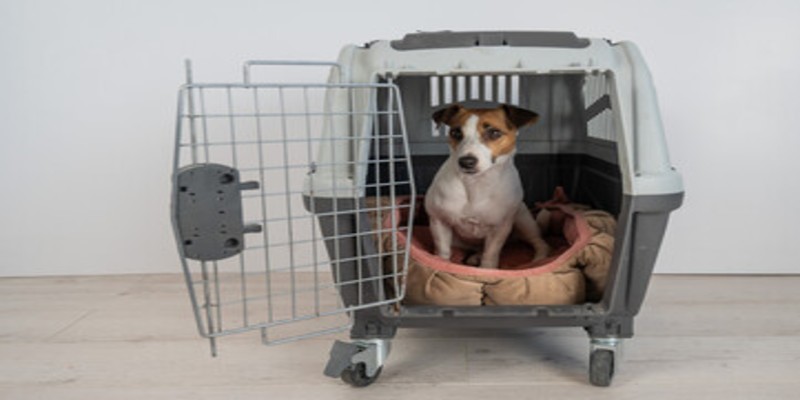
Understanding Airline-Approved Crates
Flying with pets requires airline-approved crates that pass IATA (International Air Transport Association) standards. Non-compliant crates may be rejected, causing delays, rebooking, or leaving pets behind.
Airline-approved crates typically require:
Hard plastic or metal construction
Doors with secure metal locks
Ventilation on three or four sides
Enough height for your pet to stand upright
Airline rules differ by carrier: Delta, United, and budget airlines each have unique size and material requirements. Check your airline's website before booking: IATA Live Animals Regulations.
Collapsible Travel Kennels for Road Trips: These fold for storage and travel, suitable for car trips or hotel stays. Ensure the frame is strong—cheap models can bend if pets lean against them. Soft crates are generally unsuitable for airline cargo due to fabric-tearing risks.
Why Collapsible Travel Kennels Work for Road Trips
Collapsible travel kennels fold down when you're done using them. They fit in closets, under beds, or in your trunk without taking up permanent space. Setting them up takes maybe thirty seconds.
These collapsible travel kennels handle car trips really well. Your dog rides safely to the park, then you fold the kennel and throw it behind the back seat. Hotels that allow pets usually want them crated, and a collapsible option means you're not lugging a giant hard crate through the lobby.
Airlines typically reject soft collapsible kennels for cargo holds. The fabric tears under pressure from other luggage. But for everything except flying, they work great. Just check that the frame uses strong materials. Cheap versions bend when a medium-sized dog leans against them.
Getting Proper Airflow with Ventilated Pet Carriers
Ventilated pet carriers let air move through instead of trapping heat inside. Dogs pant to cool down, which doesn't work in a sealed box. Cats overheat fast in summer weather.
Good ventilated pet carriers have openings on multiple sides. Air comes in from different directions instead of just the front. Mesh panels work better than small drilled holes because they allow more air. The mesh needs tight weaving so paws can't get stuck in the gaps.
Summer road trips get hot even with the AC running. A carrier sitting in direct sunlight on the back seat heats up quickly. Multiple ventilation points prevent this. Your pet breathes normally instead of gasping for air. Just avoid positioning the carrier directly in front of AC vents on maximum blast because that creates uncomfortable drafts.
Measuring Your Pet with a Size Guide for Crates
Wrong measurements mean buying the wrong crate twice. A size guide for crates tells you exactly what numbers matter. Guessing leads to returns and wasted shipping costs.
Measure these areas on your pet:
Length from the nose tip to where their tail starts
Height from the floor to the top of their head when standing normally
Width across the widest part of their shoulders or hips
Weight on your bathroom scale
Add three or four inches to each measurement. Your pet needs space to turn around and lie down comfortably. Puppies grow fast, so measure them monthly and upsize when needed.
Crates list maximum weight limits. A carrier rated for thirty pounds can't safely hold a forty-pound dog plus blankets and toys. Check the weight rating before buying.
Choosing Between Hard and Soft Materials
Hard plastic crates survive airline baggage systems and protect pets during car accidents. They're heavy and bulky. Soft fabric carriers weigh less and pack smaller, but tear easily.
Flying means hard plastic. Road trips in your personal car give you more options. A nervous cat might prefer a soft carrier that blocks outside views. A calm dog does fine in either type. Wire crates provide maximum airflow, but airlines won't accept them. They work okay at home or for vet visits in your car.
Setting Up the Inside Space
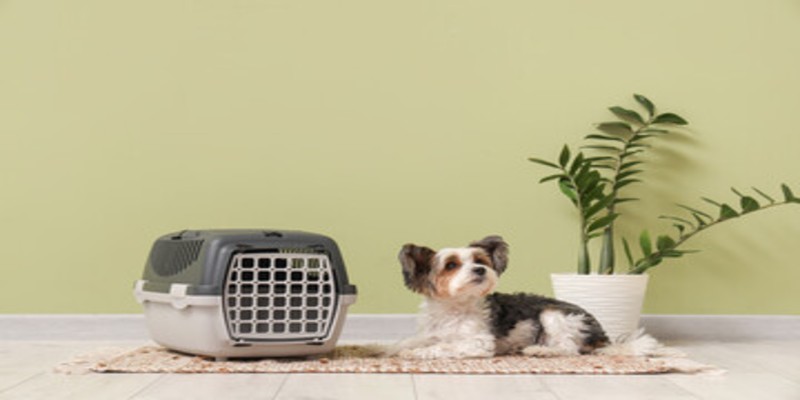
Bare plastic feels cold and uncomfortable. Throw in a blanket that your pet already uses at home. The familiar smell reduces stress. Add one toy they like chewing or cuddling. Some pets calm down with an old t-shirt that smells like you. Others want treats scattered inside. Test what works before travel day.
Let your pet explore the crate at home first. Leave the door open. Put their meals inside for a few days. They learn the crate means good things instead of scary trips. When you travel, they walk in willingly instead of fighting you.
Preparing Everything Before Departure
Check the crate the night before leaving. Push on all the corners to find cracks. Test every latch multiple times. Attach a tag with your phone number in case you get separated during travel.
Water dishes that clip to the door work better than bowls that spill. Freeze water in the dish overnight for flights so it melts slowly during the trip. Bring backup supplies in your carry-on because delays happen. Airlines require specific paperwork and health certificates. Have those ready along with the crate. Missing one document means your pet can't fly, even if the crate passes inspection.
Shopping Smart Without Overspending
Expensive doesn't always mean better quality. Read reviews from people who actually used the crate for travel. They mention if latches break or if sizing runs small. Buy from retailers with good return policies. You might need to exchange sizes or try a different style. Save packaging until you're sure everything works.
The right pet crates make trips less stressful for everyone involved. Your pet arrives safely, and you avoid last-minute airport disasters or roadside emergencies.
Related Posts
10 Most Popular Orange Cat Breeds: Which One Fits Your Lifestyle

Can Dogs Eat Broccoli Safely? Benefits, Risks, and Feeding Tips
How To Stop Cats Scratching Furniture Without Punishment

Lickable Cat Treats: Why Tube Snacks Have Become a Cat Household Obsession

How to Enjoy Dog-Friendly Breweries: Tips, Etiquette, and Spots